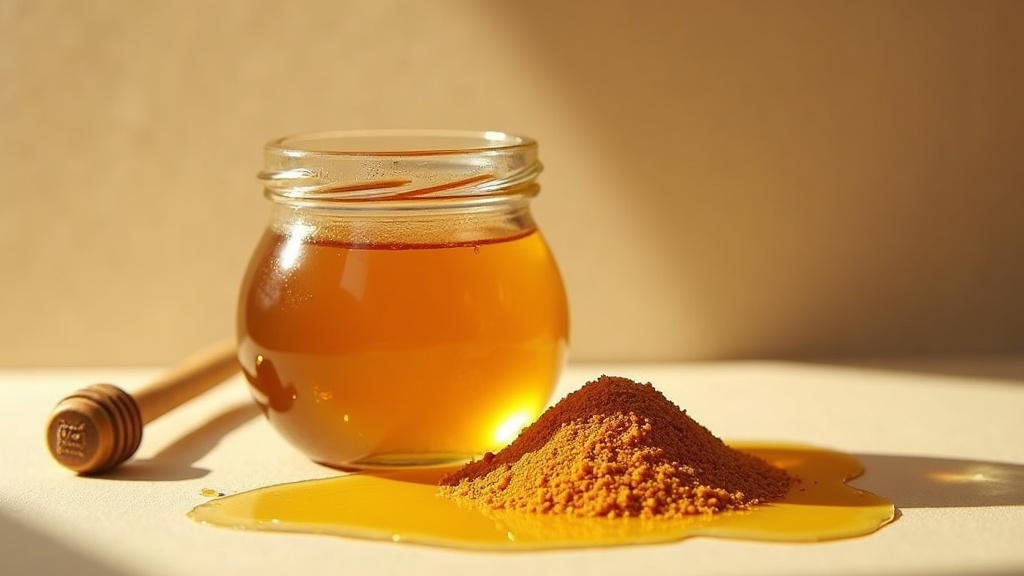
Ever notice how some meals leave you steady and others leave you crashing by mid-afternoon? This page looks at Biblical drink (oil)/ Honey blend as a kitchen tradition, and at the simple habit of eating foods in a certain order. It’s for learning about everyday habits — not a treatment, and not a substitute for your doctor’s guidance.
If any of this sounds familiar, you’re not alone. These are everyday habits worth noticing — always alongside, never instead of, your regular care.
One article says avoid it. Another says it's fine. Sorting through conflicting food advice can feel like a full-time job on its own.
Breakfast, lunch, dinner, snacks — deciding what goes on the plate, again and again, can feel heavier than the meal itself.
Up after eating, then suddenly flat an hour later. That midday dip can shape the whole rest of the afternoon.
Some mornings start slow no matter how much sleep you got. It's a familiar rhythm for a lot of people who pay attention to their meals.
A lot of kitchen wisdom gets passed around without much checking. Here’s a plainer look at three common ideas.
All carbohydrates act the same way on the plate.
Many home cooks think less about avoiding carbs entirely and more about how a whole meal is put together — protein, vegetables, and starches side by side.
Fruit has to be avoided completely.
Whole fruit shows up in traditional meals across many cultures, usually as part of a varied plate rather than eaten alone or skipped altogether.
There’s a special ‘diabetic food’ aisle that solves everything.
Most everyday nutrition guidance leans on whole foods and variety, not a separate product category. Any specific dietary change is worth discussing with the healthcare provider who knows your history.
None of this replaces medical care. These are simple, old-fashioned habits some people build into an ordinary meal.
Some home cooks serve the vegetables and protein before the starchier parts of the meal, simply as a matter of habit — an order passed down more than a rule handed out.
Putting the fork down between bites, chewing a little longer, letting a meal take its time. A slower table has been part of mealtime tradition in many households.
A stroll to tidy the kitchen, water the garden, or just step outside after a meal. It’s a habit many families keep, more custom than protocol.
Honey and oil, poured together or side by side, show up again and again in old kitchen traditions across the Mediterranean and the Middle East. Bread dipped in oil, then finished with honey. A warm drink stirred with a spoonful of honey and a trace of oil, offered to a guest at the table. These pairings appear in old texts and older kitchens, tied to hospitality and shared meals more than anything else. Biblical drink (oil)/ Honey blend, as it’s known today, borrows from that same lineage — a combination rooted in culinary custom, not a clinical formula.
It’s a reminder that a lot of what ends up on our plates started as tradition and hospitality, long before it became a topic for nutrition articles. Nothing about that history changes what your doctor has recommended for you personally.
Feeling unusually tired even after a full night's rest, in a way that doesn't fit your normal pattern, is worth mentioning at your next visit.
Eating much more or much less than usual, without an obvious reason, is something your doctor should know about.
If you're reaching for water far more than normal, bring it up with the professional who manages your care.
Feeling unusually irritable, foggy, or low around certain meals is a pattern worth describing to your doctor rather than guessing about on your own.
If you've adjusted your meals and your sleep has shifted too, that combination is worth a conversation at your next appointment.
Anything new, especially after changing your diet or routine, deserves a call to your doctor rather than a guess from an article. Never adjust any medication or insulin on your own.
These are individual stories shared for illustration only. They describe personal routines, not medical outcomes. Results and experiences vary from person to person, and none of this should be read as a guarantee or as medical advice.
See how an old kitchen tradition and a simple habit like plate order fit into everyday meals. This is educational content about food and routine — always keep working with your doctor, and don’t change any part of your treatment or medication on your own.
Advertising Disclosure: This page contains sponsored content and affiliate links. We may receive compensation if you click a link or make a purchase through the links provided on this site. This helps support the operation of this website at no additional cost to you.
Content Disclaimer: This content is provided for educational and informational purposes only. It has not been evaluated by the FDA and is not intended to diagnose, treat, cure, or prevent any disease or condition. It does not substitute for professional medical advice, diagnosis, or treatment. Always consult a qualified healthcare professional before changing your diet, routine, or any prescribed treatment, including medication or insulin.
Results Disclaimer: Individual results and experiences vary. Testimonials and stories shared on this page reflect personal accounts and are not a guarantee of any particular outcome or result for any reader.
© 2026 · All Rights Reserved